服务热线
177-2116-7289
"Thoughtful Souvenirs & Gifts: A Guide to Choosing the Perfect Chinese Keepsake for International Friends"
When hosting international guests, attending cross-cultural meetings, or simply wanting to share a piece of Chinese culture with foreign friends, selecting an appropriate gift (礼物), souvenir (纪念品), or keepsake (伴手礼) becomes a meaningful gesture. In Chinese culture, the concept of "shouxin" (手信), or "suishouli" (随手礼) (casual gifts given spontaneously), emphasizes heartfelt connections rather than material value. This article explores how to blend tradition with practicality when choosing gifts, souvenirs, or keepsakes for foreigners, ensuring your gesture leaves a lasting impression.
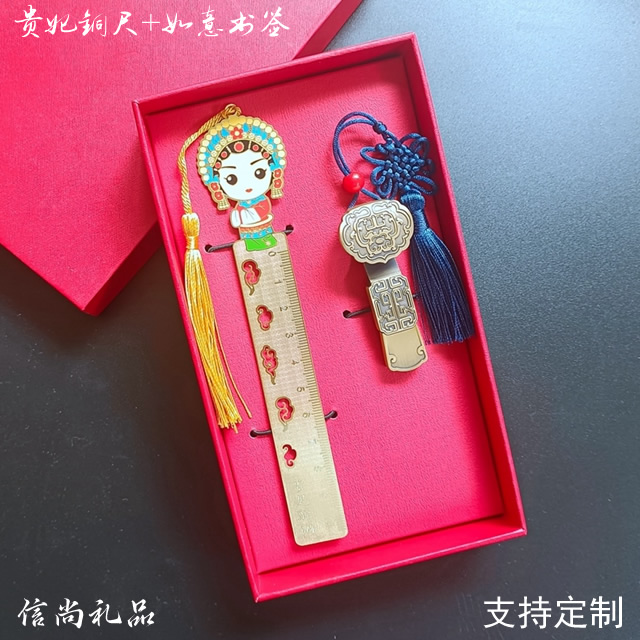
In China, gifts (礼物) are deeply rooted in social etiquette. The term "suishouli" (随手礼), literally "gifts carried casually," reflects the spontaneity of sharing small tokens of appreciation. Unlike formal presents, suishouli are often lightweight, portable, and symbolic of local culture. For foreigners, these items serve as souvenirs (纪念品)—tangible reminders of their time in China.
When selecting keepsakes (伴手礼), consider their purpose:
Gifts (礼物): Formal presents for special occasions (e.g., farewells, collaborations).
Souvenirs (纪念品): Mementos of travel experiences (e.g., miniature terracotta warriors, silk scarves).
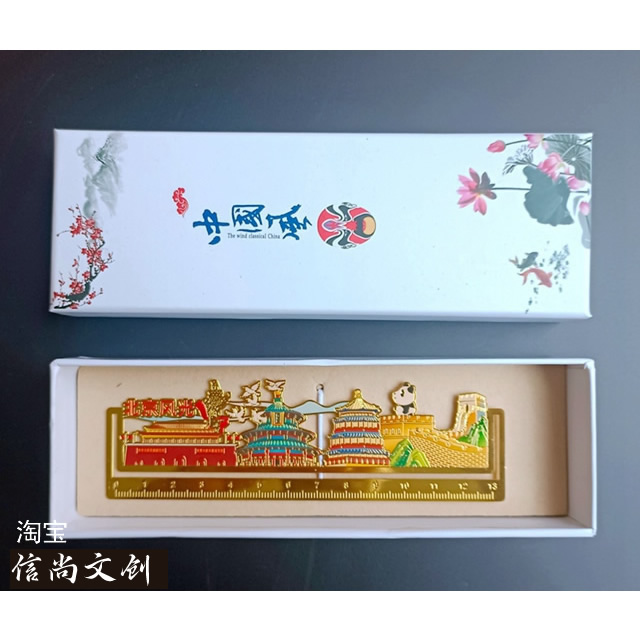
Keepsakes (伴手礼): Everyday items with cultural flair (e.g., tea sets, calligraphy bookmarks).
Shouxin (手信): Impromptu gestures of friendship (e.g., local snacks, tea bags).
Food-related gifts (礼物) are always a hit. Opt for:
Tea: Longjing (Dragon Well) or Pu’er tea in decorative tins.
Snacks: Traditional pastries like mooncakes (for festivals) or preserved plums.
Spices: Sichuan peppercorns or star anise in small sachets.
Pro Tip: Pair edible keepsakes (伴手礼) with a handwritten note explaining their cultural significance. For example, "This tea symbolizes harmony—a value we share across borders."

Handmade items make exquisite souvenirs (纪念品):
Silk Products: Scarves, fans, or embroidered handkerchiefs.
Paper-Cutting Art: Framed intricate designs or DIY kits.
Cloisonné: Enamel-decorated vases or jewelry boxes.
Why It Works: These gifts (礼物) showcase Chinese craftsmanship while being lightweight and easy to pack.
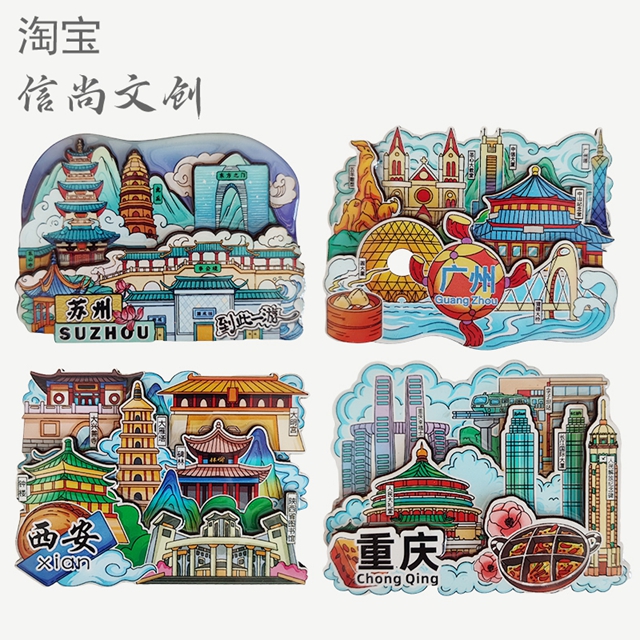
Small replicas of iconic landmarks or symbols:
Terracotta Warrior Figurines: Miniature clay soldiers for history buffs.
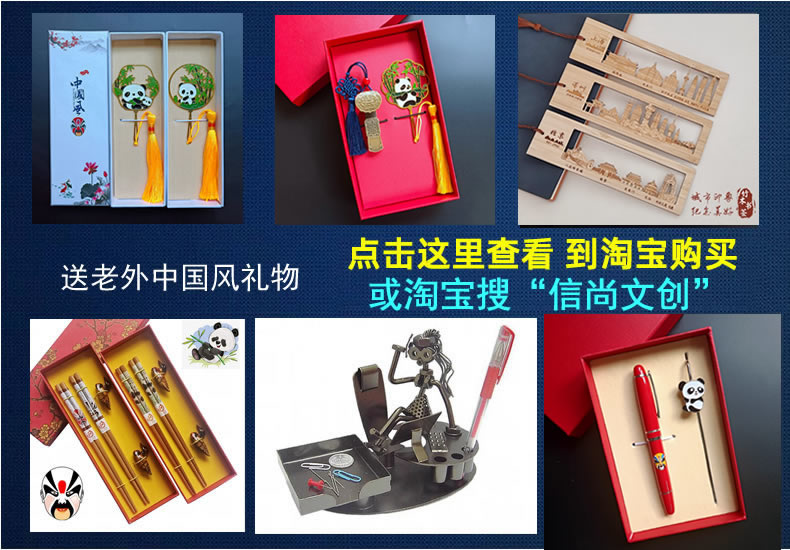
Panda-Themed Items: Plush toys, stationery, or chopstick holders.
Calligraphy Sets: Brushes, ink stones, or scrolls for art lovers.
Pro Tip: Choose keepsakes (伴手礼) that double as functional items (e.g., a panda-shaped USB drive).
Avoid Overly Personal Items: Steer clear of clothing or jewelry unless you know the recipient’s taste.
Mind Packaging: Use red or gold wrapping (auspicious colors in Chinese culture) and include a bilingual card.
Respect Dietary Restrictions: For edible gifts (礼物), check for allergies or religious dietary laws (e.g., halal, kosher).
Portability Matters: Ensure the souvenir (纪念品) fits in a carry-on bag to avoid airport hassles.
A thoughtful touch elevates any gift (礼物):
Custom Engraving: Add a name or date to a tea set or pen.
Local Stories: Share anecdotes about the keepsake (伴手礼) (e.g., "This silk was woven in Suzhou, the ‘City of Silk’").
Experiential Gifts: Pair a souvenir (纪念品) with an invitation (e.g., "Let’s drink this oolong tea together next time you visit!").
You don’t need to splurge to impress:
Postcards: Vintage-style cards of Chinese landscapes.
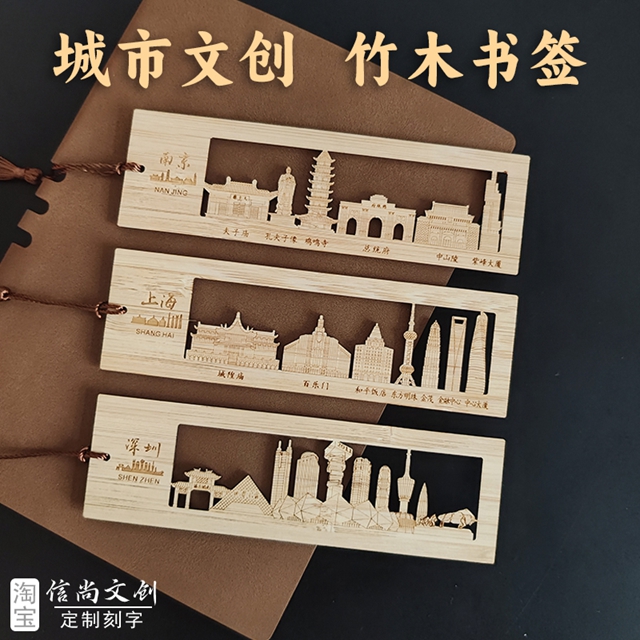
Bookmarks: Laser-cut wooden designs with Chinese proverbs.
Tea Samples: Assorted packets in a hand-painted pouch.
Why It Works: These shouxin (手信) are affordable yet memorable, proving that sincerity trumps price.
Do: Research the recipient’s culture to avoid faux pas (e.g., clocks as gifts are taboo in some Asian cultures).
Don’t: Gift sharp objects (e.g., knives), which symbolize severing relationships.
Do: Embrace asymmetry—odd numbers (except 4) are considered luckier in Chinese culture.
Whether it’s a gift (礼物), souvenir (纪念品), keepsake (伴手礼), or shouxin (手信), the true value lies in the thought behind it. By choosing items that reflect Chinese heritage while respecting the recipient’s background, you transform a simple object into a cultural ambassador. As the saying goes, "It’s the thought that counts"—and in the case of cross-cultural gifting, a well-chosen keepsake speaks volumes.
Final Tip: Always present the gift (礼物) with both hands as a sign of respect. After all, the best souvenirs aren’t just things—they’re stories waiting to be shared.
This guide ensures your gifts, souvenirs, keepsakes, and shouxin will be cherished, fostering connections that transcend borders. 🌍🎁